Autonomous Mobile Robots
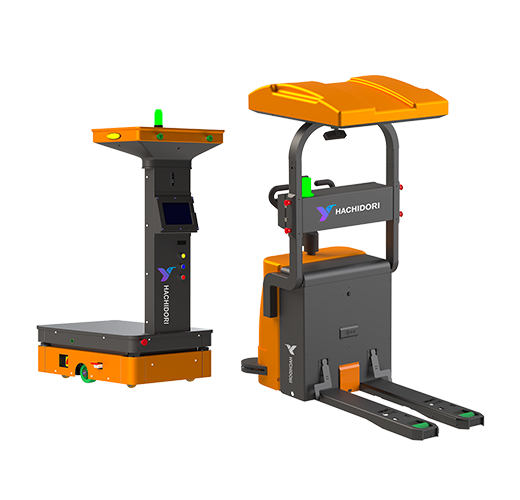
Autonomous Mobile Robots (AMRs) are smart material handling robots developed to automate load transportation in industrial facilities. Widely used in automotive plants, warehouses, logistics hubs, and consumer goods industries, AMRs improve operational efficiency, safety, and productivity through autonomous navigation.
What Are Autonomous Mobile Robots (AMRs)?
Hachidori Robotics designs and manufactures a complete fleet of Autonomous Mobile Robots (AMRs) purpose-built for industrial material movement & handling. Our AMR automation solutions combine Hachidori’s patented Wireless Natural Navigation (WiNN) technology, real-time fleet management, and seamless WMS integration to transform how factories and warehouses move materials — safely, efficiently, and autonomously.
An Autonomous Mobile Robot is a self-navigating robot that uses its onboard sensor suite — including 2D LiDAR, 3D depth cameras, and advanced sensor fusion — to build a real-time understanding of its environment and navigate dynamically without fixed floor infrastructure. Unlike legacy Automated Guided Vehicles (AGVs) that require magnetic tape or floor wires, Hachidori Robotics AMRs adapt instantly to layout changes, reroute around obstacles in real time, and integrate directly with your existing warehouse management.

Core AMR Technology
Navigation
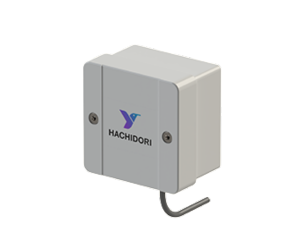
Hachidori’s patented Wireless Natural Navigation (WiNN) with Sensor Fusion — no floor markers, ceiling QR codes, or fixed guides required.
Obstacle Avoidance
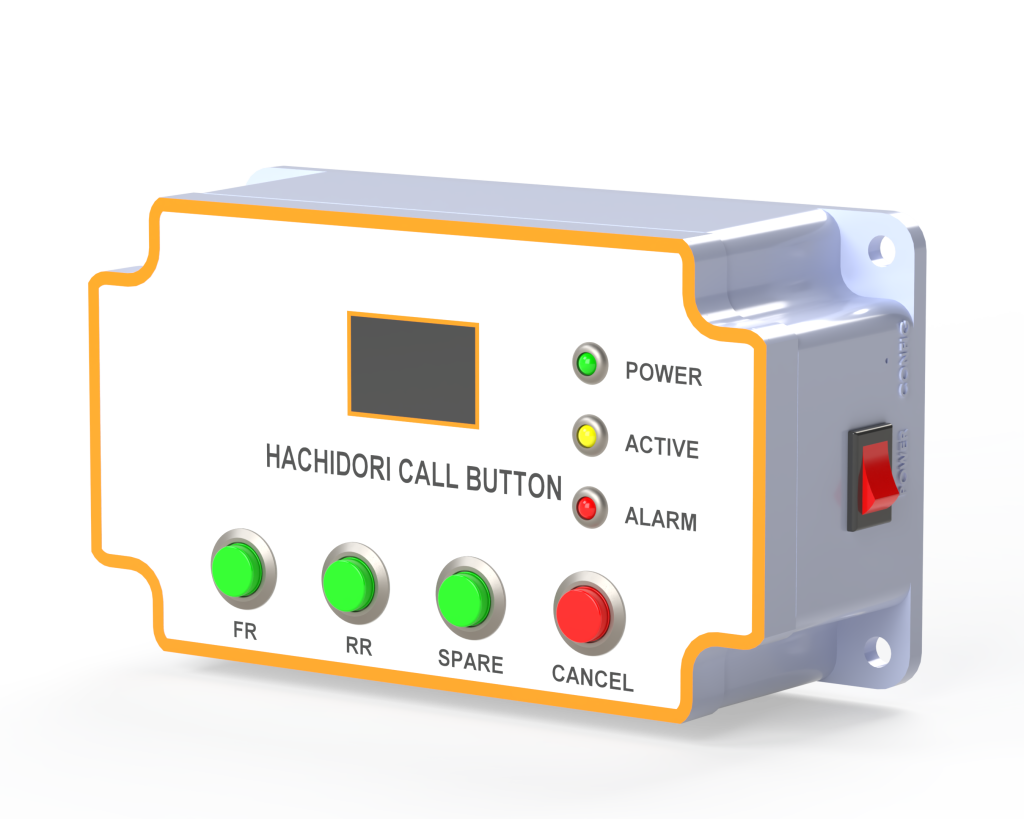
Workflow Triggers
Operator Interface
Battery
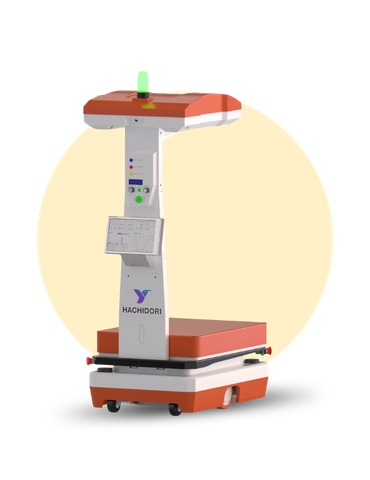
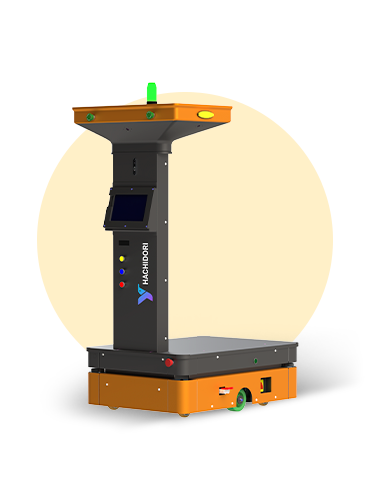
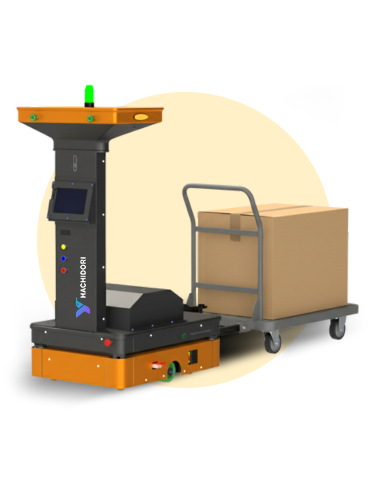
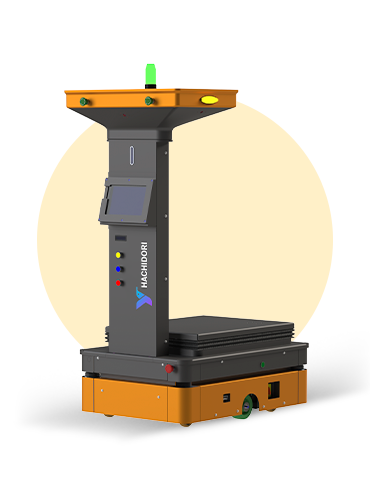
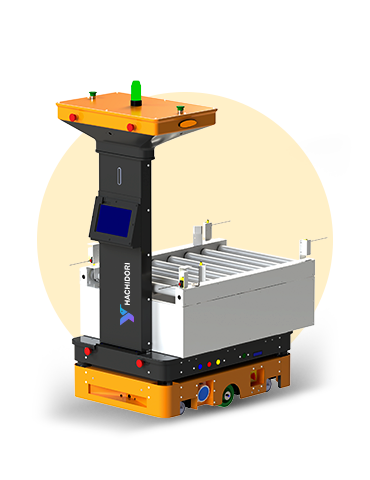
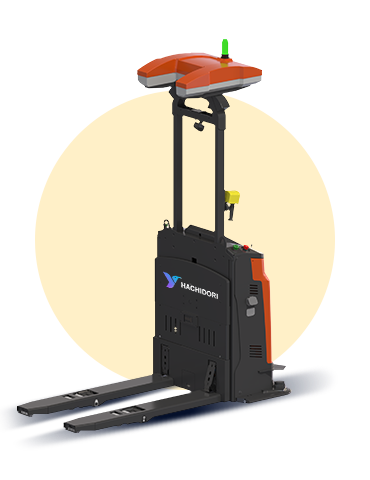
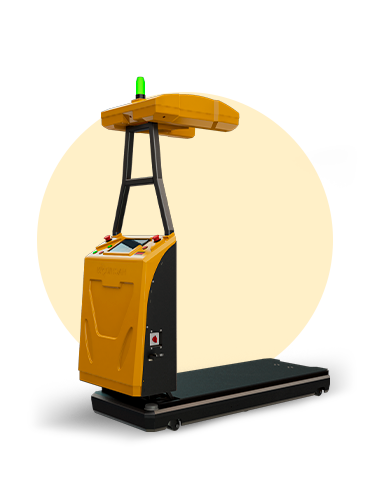
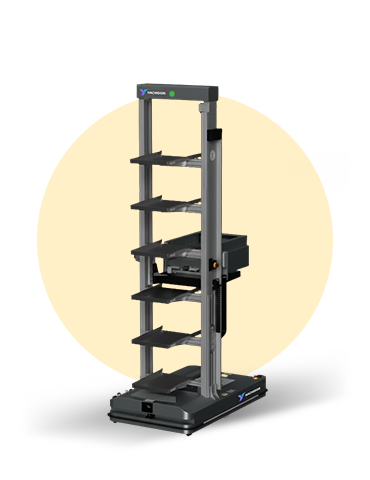
Hachidori Robotics AMR Product Range
Payload: 50 - 200 kg
Fast, agile, and LightWeight autonomous mobile robot built for rapid intra-facility transport of small and medium loads. High-speed operation with precision path-following powered by WNN for time-sensitive manufacturing and intralogistics flows.
Max Payload: 1300 kg
Max Payload: 4,000 kg (from 50 kg)
Versatile Lift
Conveyor Dock
Pallet Handling
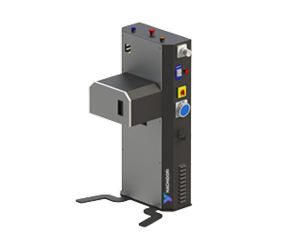
Compact Lift
Case Handling
Key Benefits of Hachidori Robotics AMR Automation

Significant Cost Reduction
Eliminate operation costs associated with manual forklift operators and material handlers. Hachidori AMRs deliver consistent, accurate performance without overtime, sick days, or training overhead — reducing material handling costs by up to 40%.

Enhanced Workplace Safety
Every Hachidori AMR is equipped with a 2D LiDAR and 3D depth camera sensor fusion system supporting Cat0 emergency stop and Cat1 controlled stop responses. Flashers, buzzers, and sirens provide clear operational awareness for workers sharing the floor. Near-zero material handling incident rate.

Higher Throughput & OEE
AMRs operate continuously with optimised routing powered by WNN, reducing transport wait times and keeping production lines consistently fed — dramatically improving Overall Equipment Effectiveness (OEE). 2–3× throughput improvement versus manual operations.

Flexibility & Scalability
Unlike fixed conveyor systems, Hachidori AMRs running on WNN technology adapt instantly to layout changes with no physical facility modifications. Scale your fleet up or down based on demand and deploy new routes in under 60 minutes. Swappable LiFePO4 batteries mean robots stay productive while others recharge.

Seamless System Integration
Three flexible workflow trigger modes — manual Touchscreen control, Calling Device remote activation, and centralised WMS API dispatch — give operations teams full flexibility. Native REST API and pre-built WMS/ERP connectors sync with SAP, Oracle, and 20+ platforms for real-time task dispatch and full inventory visibility.

Sustainable Operations
LiFePO4 battery-powered AMR robots produce zero emissions at point of use. The long cycle life and thermal stability of LiFePO4 chemistry reduces battery replacement frequency, lowering total cost of ownership and supporting your facility’s sustainability and ESG targets. Up to 60% lower energy use versus diesel forklifts.
How Hachidori AMRs Work on Your Factory Floor

Site Mapping
Hachidori AMRs autonomously scan and build a precise digital model of your facility using WNN-powered Sensor Fusion. No fixed markers, floor tape, ceiling QR codes, or structural modifications are required. The robot navigates through each zone, fusing 2D LiDAR and 3D depth camera data to produce a high-fidelity environment model used for all navigation and collision avoidance.

Route & Mission Configuration
Using Hachidori’s Fleet Management System (FMS) dashboard, your operations team defines pick and drop zones, traffic rules, speed limits per area, and task priority flows — all through an intuitive drag-and-drop interface. No robotics programming experience required. Workflow triggers — Touchscreen, Calling Device, or WMS API — are configured per task type.

WMS / ERP Integration
Hachidori Robotics provides pre-built connectors and a REST API to integrate the FMS with your existing WMS, ERP, or MES platform. Once connected, your warehouse management system dispatches tasks directly to the AMR fleet in real time, and robots report task completion back for live inventory visibility.

Go Live & Optimise
The fleet begins autonomous operations powered by Wireless Navigation Network (WNN)-based positioning. Hachidori AMR robots continuously optimize navigation paths based on real-time traffic patterns, congestion points, and task urgency — helping reduce average cycle times through ongoing self-optimization.

Monitor, Maintain & Scale
The FMS dashboard provides real-time visibility into every robot’s position, task status, battery level, and performance KPIs. Fleet health alerts, predictive maintenance signals, and OEE metrics are available at a glance. Adding new Hachidori AMR units to the fleet takes less than a day. Swappable LiFePO4 batteries can be exchanged in minutes, ensuring uninterrupted 24/7 operations.
AMR Use Cases in Factory Material Handling
Hachidori Robotics autonomous mobile robots are deployed across a wide range of material handling applications in automotive, electronics, food & beverage, pharmaceutical, and general manufacturing facilities worldwide.
Inbound & Outbound Logistics Hachidori AMRs handle the full material flow cycle — from receiving dock to storage, storage to production line, and finished goods to dispatch — eliminating manual bottlenecks at every transfer point.
- Automated unloading and palletising at receiving docks
- Autonomous pallet transport to warehouse storage locations
- On-demand raw material delivery to production lines
- WIP (Work-In-Progress) transfer between manufacturing stages
- Finished goods movement to packing and dispatch areas
- Returns and empty pallet collection without manual input
Ready to Automate Your Material Handling?
Frequently Asked Questions
AMRs are self-navigating robots that use sensors to move freely without fixed paths. Unlike AGVs, which rely on tapes or wires, AMRs dynamically reroute, adapt to layout changes, and require no infrastructure.
WiNN uses wireless signals and sensor fusion (2 LiDAR + 3D Depth cameras) for stable, infrastructure-free navigation, even in challenging environments where SLAM may struggle.
From light loads (~50 kg) to heavy-duty transport (up to 4,000 kg), covering a wide range of material handling needs.
No. They work with existing layouts. Only Wi-Fi and charging/battery swap stations are needed.
They use real-time obstacle detection, emergency stop systems, and comply with ensuring safe human-robot collaboration.
Via touchscreen, calling devices, or automated integration with WMS/ERP systems.
LiFePO4 batteries with auto-charging and quick swap options for continuous operation.
Yes. They support APIs and connectors for systems like SAP, Oracle, and more.
Usually 18–36 months through labor savings, safety, and efficiency gain.